The Best Time for a Phinisi Boat Komodo Charter: May-October Dry Season
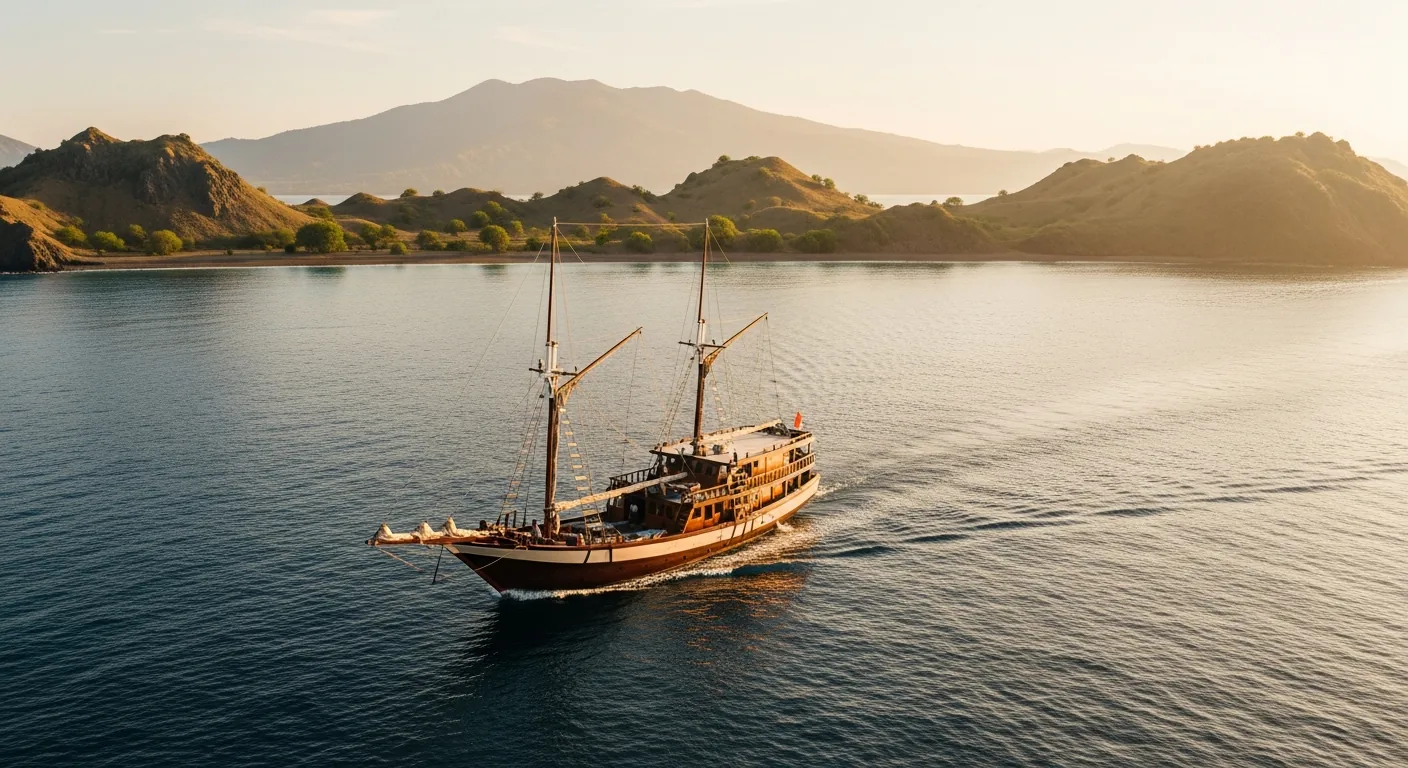
The late afternoon sun casts long shadows across the Flores Sea. From the bowsprit of a two-masted phinisi, the islands of the Komodo archipelago appear as sleeping dragons, their volcanic ridges sharp against a cerulean sky. The creak of ironwood, the snap of canvas in the trade winds, the scent of clove and saltwater—this is the sensory lexicon of a voyage through one of the planet’s most biodiverse marine environments. Yet, the success of this expedition, the quality of light on Padar Island’s tri-colored bays, the number of manta rays at Karang Makassar, and the clarity of the water at Batu Bolong, is contingent on a single, critical decision: timing. See also: Contact.
While the period from May to October is broadly designated as the “dry season,” discerning travelers understand that this six-month window is not a monolith. Each month presents a distinct character, a unique set of conditions that can shape your private charter. The choice is not simply about avoiding rain; it’s about aligning your aspirations with the archipelago’s subtle rhythms. Are you seeking verdant, post-monsoon landscapes with fewer vessels in sight? Or is your priority the highest probability of Komodo dragon activity and crystalline water visibility, even if it means sharing an anchorage? Navigating these nuances is the key to elevating a standard trip into a precisely executed private expedition aboard your phinisi boat komodo.
Decoding Komodo’s Climate: Beyond the Dry Season Moniker
Komodo National Park, a UNESCO World Heritage site established in 1980, operates under a distinct biannual climate pattern governed by monsoonal winds. The prevailing wisdom directs travelers to the southeast monsoon, which brings the dry season from May through October. During this period, Labuan Bajo, the gateway port, receives an average of less than 40mm of rainfall per month, compared to over 200mm in January. The winds are consistent and predictable, a boon for the sailors of a traditional phinisi schooner komodo, making for smooth passages between the 29 islands of the park.
Conversely, the northwest monsoon ushers in the wet season, from roughly November to April. This period is characterized by higher humidity, afternoon squalls, and occasionally turbulent seas, particularly in the open waters of the Sape Strait. While the park remains open, visibility for diving can be reduced, and some southern dive sites, like the nutrient-rich Horseshoe Bay on Rinca Island, can become less accessible due to southerly swells. Sea surface temperatures remain relatively stable year-round, hovering between 26-29°C (79-84°F) in the park’s northern reaches. However, the south can experience significant upwellings, with temperatures at sites like ‘Cannibal Rock’ dropping to a bracing 21°C (70°F), a phenomenon that attracts a different suite of marine life. Understanding this fundamental climatic duality is the first step in planning a superlative komodo phinisi boat charter.
May & June: The Verdant Shoulder Season for Your Komodo Phinisi Boat
For those who value solitude and lush topography, the months of May and June represent a strategic entry point. The islands, having absorbed the monsoon rains, are at their most verdant. The savannah-like hills of Gili Lawa Darat, which turn a sere brown by late August, are instead a vibrant green, offering a dramatic contrast against the turquoise water. This is the time for photographers and naturalists. May is the calmest month: gentle winds, quiet anchorages, and a realistic chance of securing the best mooring at Padar Island for sunrise without competition. See also: Phinisi Boat Komodo About.
The relative scarcity of other vessels translates to a more intimate experience. The iconic ascent of Padar Island, with its 819 steps, feels like a private discovery. At Pink Beach, or Pantai Merah, its distinctive hue derived from crushed red organ pipe coral (Tubipora musica) mixed with white sand, you are more likely to have the shoreline to yourself. Marine life is abundant. The plankton has yet to bloom to its peak-season density, and while water visibility might be a meter or two less than in August, it is consistently good, around 20-25 meters. Manta rays (Manta alfredi) are reliably present at their cleaning stations. A private 4-night charter on a well-appointed 6-cabin phinisi yacht komodo during this period can be secured for approximately $14,000 USD, often representing a 10-15% value compared to peak season rates.
July & August: Peak Season Clarity and Komodo Dragon Encounters
July and August constitute the high season in Komodo, and for valid reasons. This period offers the most stable and driest weather, with virtually no rain and brilliant sunshine. For divers, these months are often considered the pinnacle. Water visibility frequently exceeds 30 meters, transforming dive sites like Batu Bolong—a submerged pinnacle teeming with life—into a vast, clear aquarium. The cooler, nutrient-rich waters drawn in by the Indonesian Throughflow are at their peak, supporting a staggering density of marine biomass. The combination of clear, cool water and peak plankton density in July creates a spectacle — everything from pygmy seahorses to schooling pelagics in a single dive. See also: Phinisi Fleet Komodo pricing.
On land, this is the mating season for the Komodo dragon (Varanus komodoensis). The large males become more active and territorial, increasing the probability of dramatic sightings during guided treks on Rinca or Komodo Island. Park rangers lead small groups along designated trails, offering insights into the behavior of these formidable reptiles, which can reach lengths of 3 meters. The trade-off for these optimal conditions is the increased number of visitors. Key sites can be busy, and charter rates for a premium phinisi boat komodo can rise to $17,000 USD or more for a 4-night itinerary. Advance booking, often 12 to 18 months prior, is essential for securing a preferred vessel and itinerary during these months.
September & October: The Optimal Balance for Manta Rays and Serenity
As the peak season crowds begin to recede, a window of opportunity opens. September and October arguably present the finest balance of conditions for a phinisi boat komodo charter. The weather remains dry and stable, and the water is still exceptionally clear. The primary draw, however, is the peak congregation of oceanic manta rays. The currents and plankton levels create ideal feeding conditions, and sites like Manta Point (Karang Makassar) can host dozens of these graceful giants at once. It is a truly remarkable spectacle, easily experienced by snorkelers and divers alike.
The atmosphere in the park is more relaxed. You retain the benefits of the dry season—excellent visibility, comfortable sailing—but with a fraction of the boat traffic seen in August. This allows for greater spontaneity in itinerary planning. If a particular bay is exceptionally calm, your captain has the flexibility to linger. The landscape is drier, a palette of gold and ochre, which has its own stark beauty. Terrestrial trekking remains excellent, with dragon sightings still very reliable. The end of the season also means that charter operators may offer more competitive pricing. It’s a period favored by seasoned divers and repeat visitors who understand the subtle advantages of traveling just outside the peak. This is the connoisseur’s choice for a komodo phinisi boat experience.
A Month-by-Month Guide: Tailoring Your Phinisi Schooner Komodo Itinerary
Selecting the ideal month for your charter depends on a careful consideration of your priorities. Is it landscape photography, specific marine encounters, or complete seclusion? This table provides a comparative analysis of the prime dry season months to help guide your decision for the perfect phinisi schooner komodo voyage.
| Month | Sea Conditions | Water Temp (°C) | Visibility (m) | Marine Life Highlights | Terrestrial Highlights | Crowd Level |
|---|---|---|---|---|---|---|
| May | Calmest, gentle winds | 27-29°C (North) | 20-25m | Good manta sightings, vibrant corals | Lush, green landscapes, active birdlife | Low |
| June | Calm, southeast winds building | 26-28°C (North) | 20-25m | Consistent reef sharks, turtles | Verdant hills, clear skies | Low-Medium |
| July | Brisk, steady southeast winds | 25-27°C (North), drops to 22°C (South) | 25-35m+ | Peak fish schooling, pelagics | Dragon mating season, dry landscapes | High |
| August | Strongest southeast winds | 25-27°C (North), drops to 21°C (South) | 30m+ | Exceptional visibility, diverse macro life | Dragon mating continues, golden hills | High |
| September | Winds begin to ease | 26-28°C (North) | 25-30m | Peak manta ray aggregations | Dry, clear views, fewer people | Medium |
| October | Calm, variable winds | 27-29°C (North) | 20-25m | Excellent manta action continues | Dry season ends, potential for first rains | Low |
Securing Your Charter: Planning Your Phinisi Boat Komodo Voyage
A successful private charter is a product of meticulous planning. The heritage and craftsmanship of a Bugis-built phinisi deserve an itinerary that is just as thoughtfully constructed. With lead times for premier vessels often exceeding a year, particularly for July and August dates, decisive action is required. The process begins not with a boat, but with a conversation about your expectations for a phinisi boat komodo expedition.
Our specialists work directly with you to translate your preferences into a tangible schedule. We consider the composition of your group, your activity level, and your specific interests—be it cetacean spotting, technical diving, or cultural immersion. The ideal charter length is typically 4 to 7 nights, allowing for a comfortable pace that covers the park’s central and northern highlights without feeling rushed. A 7-night voyage, for instance, allows for exploration of the more remote southern coastline, weather permitting. Once we have a clear picture of your objectives, we can match you with the ideal phinisi yacht komodo from our curated fleet.
To begin the process, consider the following action items:
- Define your travel window: Using the information above, select a one or two-month period that best aligns with your goals.
- Assemble your private group: Our phinisi charters are exclusively private, accommodating groups from 4 to 14 guests.
- Consult with our specialists: Contact us to discuss vessel options, from classic schooners to more contemporary phinisi yachts, and their respective price points. A 50% deposit is standard to secure a booking.
- Outline your interests: Communicate your must-see sites and must-do activities, such as trekking with Komodo dragons, diving at Castle Rock, or watching the sunset migration of thousands of flying foxes from Kalong Island.
The Komodo archipelago does not offer up its finest experiences by chance. They are accessed through local knowledge, superior maritime skill, and, most importantly, precise timing. By aligning your voyage with the rhythm of the seasons, you ensure that your time aboard a traditional phinisi is not just a vacation, but a deeply resonant encounter with one of the last wild places on Earth. See also: explore Home.
Contact Us to Plan Your Komodo Phinisi Charter
To discuss your private charter and begin crafting your bespoke itinerary, please contact our team. We recommend booking 9-12 months in advance to ensure availability of your preferred vessel and dates.
Brand: Phinisi Boat Komodo
Phone: +62 811-3823-875
Email: [email protected]
Office: Jalan Sunset Road No. 88, Kuta, Badung, Bali 80361